
Food and wine
Food and wine in Italy
Italy is known for its food and wine, but there isn’t one Italian kitchen. There are twenty. Here’s what to eat and drink where, how to order like a local, and how to bring a piece of Italy home.
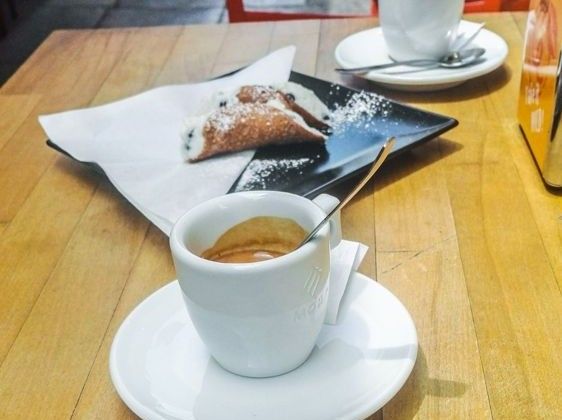 Recipes by regionA four-course menu from all 20 regions, with printable shopping lists.
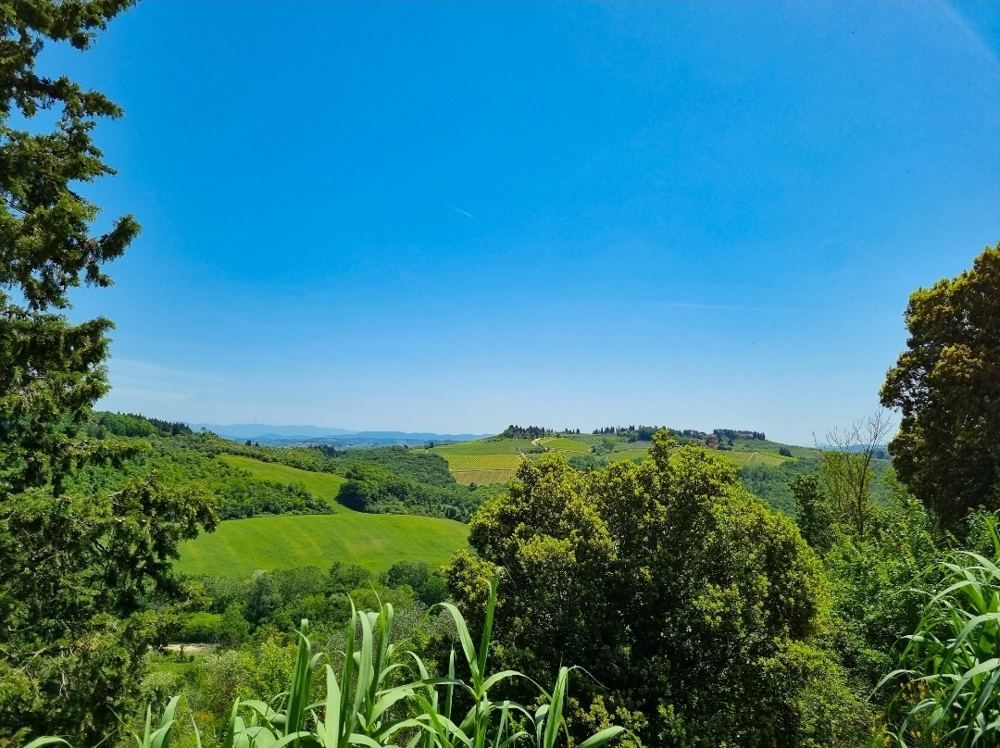 Wine tour from FlorenceA day at a Tuscan winery, and the last bottle of rosé.
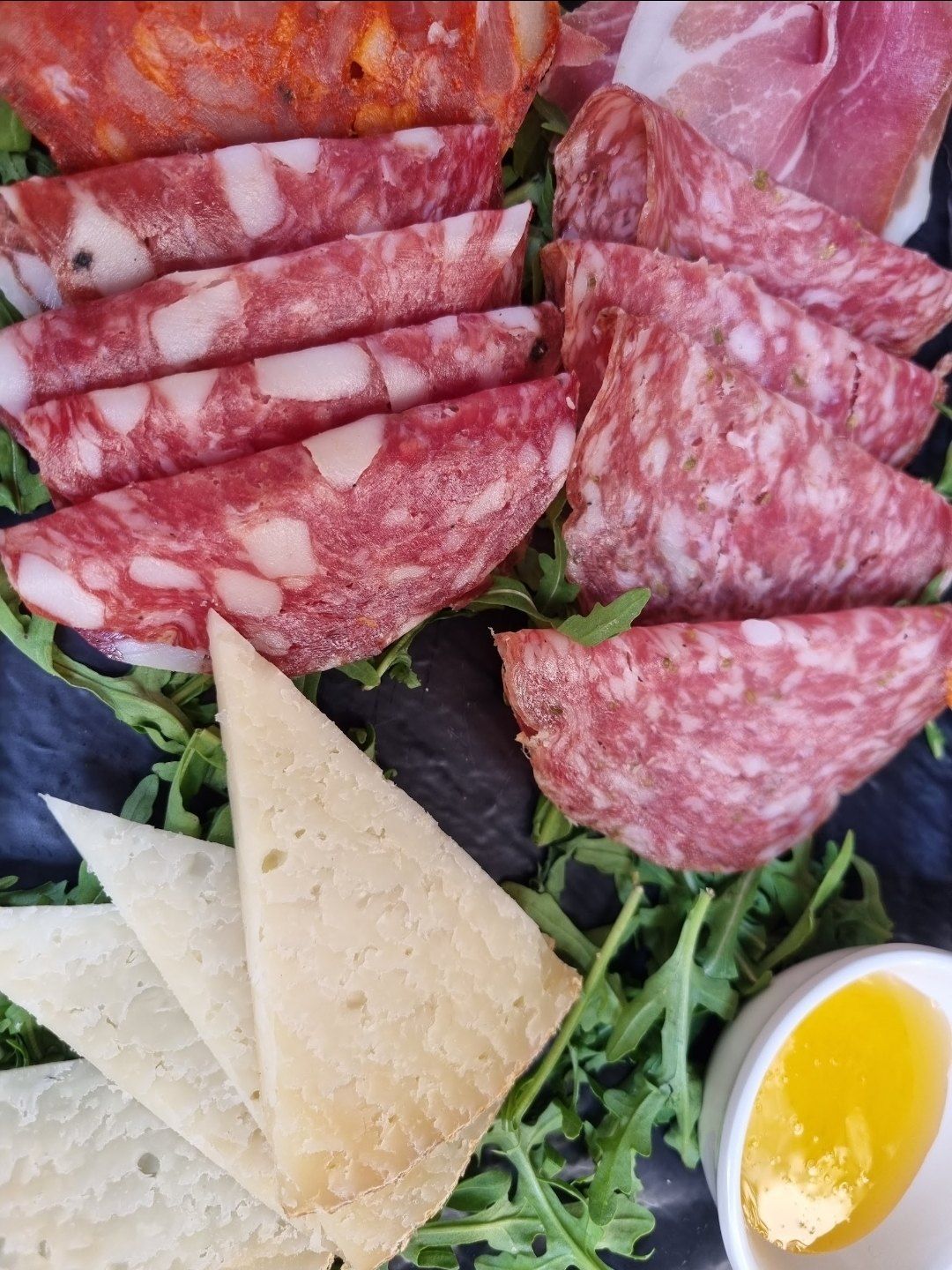 Coperto and tippingThat extra charge on your bill, and how much to tip.
Italian food, region by region
The biggest difference is between north and south.
The north cooks with butter, rice and polenta. Think risotto alla milanese in Milan, vitello tonnato and truffles around Turin, and tortellini, mortadella and Parmigiano in Bologna, the food capital of Italy.
Central Italy is about pasta and meat. Cacio e pepe and carbonara in Rome, ribollita and the Florentine T-bone steak in Florence.
The south lives on olive oil, tomatoes and seafood. Pizza was born in Naples, Puglia has orecchiette and burrata around Bari, and Palermo has some of the best street food in the world, plus pasta alla Norma and cannoli.
Every destination page has a typical four-course menu for its region, and the wine to go with each course. And you can cook a menu from all 20 regions at home.
Eat like a local
- The courses: antipasto, primo (pasta or risotto), secondo (meat or fish) and dolce. You don’t have to order them all, and many Italians only take two
- The coperto: a small per-person charge for sitting at a table, usually about $2 to $3. It’s not a scam and it’s not a tip. Here’s how it works
- Cappuccino is a morning drink. After a meal, Italians order an espresso
- Aperitivo starts the evening, usually between 6 and 8 pm, often with free snacks
- Dinner is late. Restaurants fill up after 7:30 or 8 pm, and in the south even later
- Coffee at the counter is cheaper than at a table, sometimes by several times
Italy’s wine regions
Every one of Italy’s twenty regions makes wine. Here are the names to look for:
- Piedmont: Barolo, Barbaresco and Moscato d’Asti. Base: Turin
- Tuscany: Chianti, Brunello di Montalcino and Vino Nobile di Montepulciano. Base: Florence or Chianti
- Veneto: Amarone, Prosecco and Soave. Base: Verona
- Lombardy: Franciacorta sparkling wines and Lugana around Lake Garda
- Trentino-Alto Adige: Trentodoc sparkling, Lagrein and Gewürztraminer
- Friuli-Venezia Giulia: Friulano and Ribolla Gialla
- Emilia-Romagna: Lambrusco and Sangiovese di Romagna. Base: Bologna
- Liguria: Vermentino, and the rare sweet Sciacchetrà of Cinque Terre
- Lazio: Frascati and Cesanese, near Rome
- Umbria: Sagrantino di Montefalco and Orvieto
- Marche: Verdicchio
- Abruzzo: Montepulciano d’Abruzzo and Trebbiano d’Abruzzo. Base: Pescara
- Molise: Tintilia
- Campania: Taurasi, Fiano di Avellino and Greco di Tufo, and vineyards on Vesuvius
- Puglia: Primitivo and Negroamaro. Base: Polignano a Mare
- Basilicata: Aglianico del Vulture
- Calabria: Cirò
- Sicily: Nero d’Avola, Etna wines and Marsala. Base: Palermo or Taormina
- Sardinia: Vermentino di Gallura and Cannonau. Base: Olbia
- Valle d’Aosta: Petite Arvine and Fumin
Finding Italian wine back home
In the US, a good local wine shop is your best friend. If the exact bottle isn’t in stock, ask for the grape or the region: a Nero d’Avola, a Vermentino or a Primitivo is easy to find. Online wine shops can ship to many states, but the rules vary by state.
In Canada, wine is sold through the provincial liquor boards, such as the LCBO in Ontario and the SAQ in Quebec, and their websites let you search by grape and region.
From the winery: many Italian estates ship abroad. Ask about shipping to the US or Canada before you buy a case, and get the price in writing.
Planning a food trip? The destination finder lets you pick “Food and wine” and suggests the best places for your dates.
Find where to go